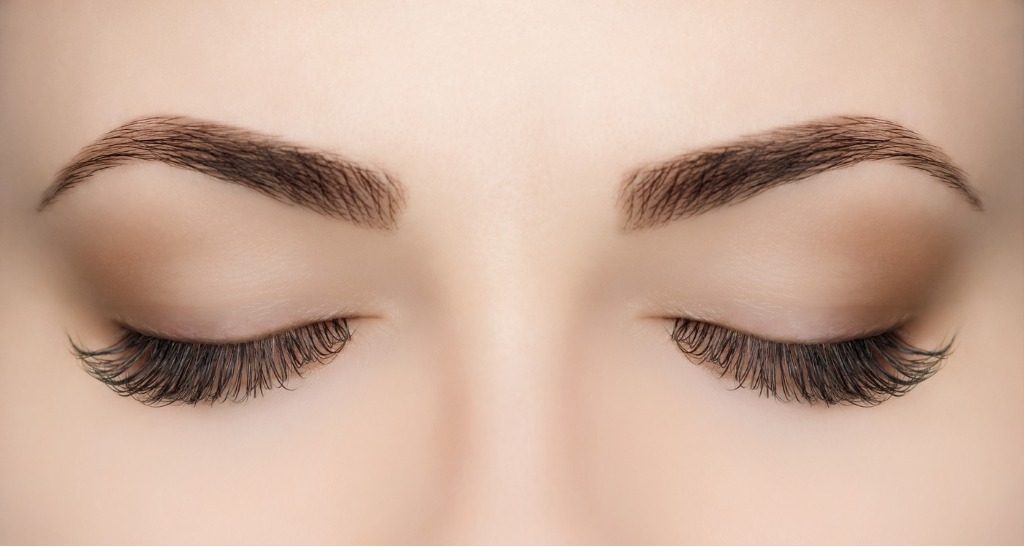
Thinning eyebrows and eyelashes can feel like yet another unwelcome reminder that time is marching on. Hormonal shifts, reduced collagen production, medications, and years of sun exposure all play a part in robbing strands of their former fullness. Even residents of assisted living communities notice that their once‑bold arches and fluttery lashes have started to look sparse.
The good news is that with a little knowledge and consistent care, it is possible to protect, strengthen, and even revive these delicate hairs so they frame the face with confidence at any age.
Understand the Causes and Set Realistic Expectations
Hair follicles everywhere on the body gradually shrink as we age, producing finer, shorter strands until growth cycles eventually stop. Medical conditions such as thyroid disorders, anemia, or autoimmune issues may accelerate loss, as can chemotherapy, long‑term steroid use, or habitual over‑plucking in earlier decades.
Before investing in serums or supplements, schedule a basic health check to rule out underlying problems. If no reversible cause is found, remind yourself that the goal is improvement rather than perfection; realistic expectations keep self‑care uplifting instead of frustrating.
Nourish From the Inside Out
Healthy brows and lashes start with proper nutrition. Aim for a daily diet rich in lean protein, leafy greens, brightly colored fruits, nuts, and seeds to provide biotin, vitamins A and C, zinc, and omega‑3 fatty acids. These nutrients fuel keratin production and reinforce the tiny blood vessels feeding hair follicles. Many of these daily habits also play a role in maintaining a more youthful overall condition.
When meals fall short, talk to a doctor or dietitian about a balanced multivitamin or a targeted biotin supplement. Just remember that pills are boosters, not replacements; staying hydrated and limiting alcohol and processed sugar matter equally for vibrant hair health.
Gentle Grooming and Safe Cosmetics
Delicate hairs cannot withstand harsh treatment. Swap old‑school waxes for a pair of sharp, slanted tweezers used only to remove obvious stragglers, leaving the natural shape intact. Choose water‑based makeup removers and press a soft cotton pad over the eyes for ten seconds before wiping—rubbing breaks fragile lashes.
Opt for mascaras labeled hypoallergenic and fragrance‑free; remove them nightly to prevent stiffened lashes from snapping. When filling sparse spots, use a micro‑tip brow pencil with feather‑light strokes rather than heavy pomades. Light touch, clean tools, and regular laundering of pillowcases all reduce breakage and irritation.
Explore Professional and Medical Solutions
If daily habits are not enough, several safe interventions can amplify results. Dermatologists may prescribe bimatoprost or peptide‑rich serums that extend the growth phase of lashes and brows, producing thicker strands within twelve weeks. Semi‑permanent microblading can visually restore brow shape for up to two years when performed by a licensed artist using sterile techniques. Lash lifts and tinting add curl and depth without extensions, minimizing damage.
For those seeking maximum fullness, modern brow and lash transplants transplant hair from the scalp to sparse areas, though they require a healthy donor site and carry higher costs. Weigh benefits against maintenance needs, budget, and personal comfort before committing.
Conclusion
Caring for thinning eyebrows and lashes in later years is a balance of mindful health practices, gentle daily routines, and selective professional help. By understanding the root causes, fueling the body with nutrient‑dense foods, treating delicate hairs kindly, and exploring evidence‑based enhancements, older adults can reclaim definition around their eyes and brows.
